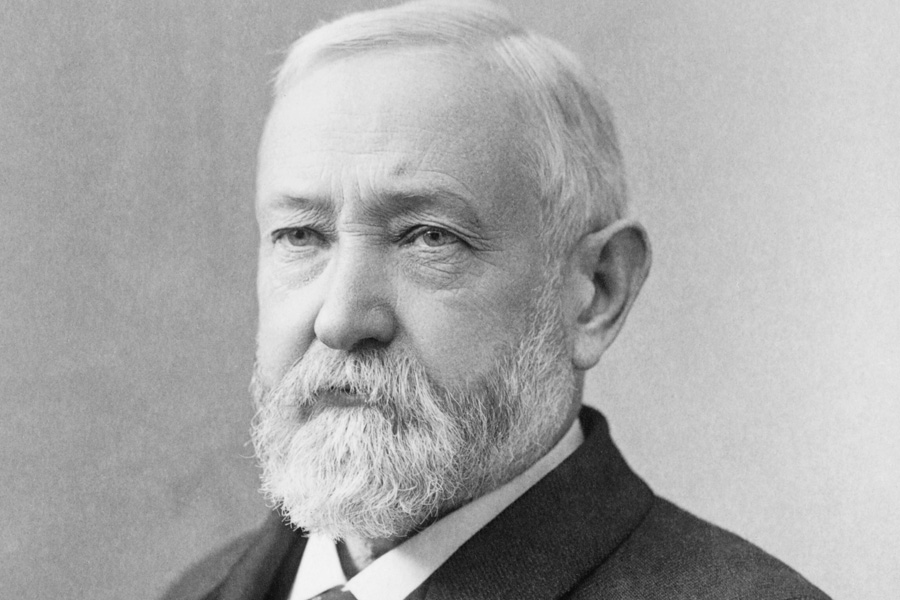
Benjamin Harrison Vi
I write this as someone who has wandered old houses’ long rooms and read handwritten notes in small, fragile packets. Benjamin Harrison Vi moved through history like a clock, not a trumpet. He balanced trade, plantation management, and public service with a prominent name after being born in 1755 on a Virginia plantation. After studying commerce in Philadelphia, he returned to Virginia during the American Revolution and took on trade and planter duties. He left a patchwork legacy that links Berkeley’s riverine architecture to Atlantic business ledger books when he died in 1799 at 43 or 44.
Berkeley Plantation
Berkeley Plantation is the stage on which much of this family drama plays out. The house, with its high rooms and heavy timber, is a ledger in wood and plaster. During Benjamin Harrison Vi s stewardship the house acquired interior flourishes and a mannered sense of design that reflected broader Atlantic tastes in the 1780s and 1790s. I imagine him pacing the galleries, counting not only bushels of tobacco but also the accumulated decisions that bind a family to land. The plantation was both an asset and a map, a place where wealth and obligation met and where the daily arithmetic of enslaved labor, crop cycles, and transatlantic prices determined the future.
Benjamin Harrison V
His father stood in history as a signer of a founding document and later as governor of Virginia. That prominence cast a long shadow. I see Benjamin the younger moving between his father s expectations and his own mercantile impulses. The elder Harrison s name opened doors, but also set a standard. The family estates required management; the public life required continuity. I sense in the younger Harrison a man tugged in two directions, who tried to translate political stature into sustainable family fortunes, sometimes with mixed success.
Elizabeth Bassett
His mother provided ties to another powerful Virginia clan. Elizabeth Bassett s presence in the family is the soft weave that knits kin to kin. I think of her as the social architecture, the person who arranged marriages, kept courtly rituals alive, and anchored younger children when the men were away at war or in business. The Bassett connection mattered. It smoothed alliances, spread influence, and helped create the circles through which sons such as Benjamin moved to Philadelphia and beyond.
Anne Mercer
He married Anne Mercer on October 14, 1785, with the intention of securing connections and producing heirs. A Harrison-named son was one of their many children. Benjamin’s personal life supported him during business travel and political responsibility after the marriage of two Virginia gentry lineages. The Berkeley mansion must have resonated with children’s shoes on its wooden flooring during those years.
William Henry Harrison
One of Benjamin s younger brothers rose to national prominence, becoming President of the United States in 1841. I find it poignant that the family produced such a range of destinies, from the private planter and merchant to the national leader who captured the public stage. The older brother, Benjamin, likely influenced the younger s early education and sense of duty. Family stories suggest mentoring, household supervision, and the everyday guidance that shapes a boy who will later march into public life.
Carter Bassett Harrison
Another brother followed a political thread as well, serving in the federal legislature. That example shows how this family moved easily between private wealth and public office. For Benjamin, the path was more often in commerce and estate stewardship than in long stretches of elected service, but the civic ethos ran through the household like a current. I picture debates in the parlor, petitions discussed over tea, and young men learning the gravity of public life.
Robert Morris
Benjamin s Philadelphia years mattered deeply. He trained with the firm of Willing and Morris and formed a close friendship with Robert Morris, a central figure in the new republic s finance. That apprenticeship gave him an education in credit, bills of exchange, and continental trade routes. I imagine ledger pages, ink blots, and late night letters to partners in Europe. Those accounts would shape how he managed Berkeley s output, negotiated prices for tobacco, and tried to secure the family s position in an uncertain postwar economy.
Career, finance, and achievements
His adult life has three pillars. First, the Philadelphia mercantile apprenticeship provided technical skills and contacts. Second, he joined county committees and backed the Patriot cause during the Revolution. Third, plantation management at Berkeley, where he used complicated land, labor, and market math. He balanced a checkbook and managed a home.
Money stories are not all triumphant. The 1790s saw trade triumphs and estate obligations and market changes. He corresponded with big financiers, negotiated land and freight deals, and tried to capitalize on his surname. The result was mixed, like a ledger with credits and debits.
Timeline
| Year | Event |
|---|---|
| 1755 | Birth at Berkeley Plantation |
| 1760s | Sent to Philadelphia for mercantile training |
| 1774 1778 | Service on local revolutionary committees |
| 1785 | Marriage to Anne Mercer, October 14 |
| 1785 1799 | Management of Berkeley Plantation and mercantile dealings |
| 1799 | Death at age 43 or 44 |
Numbers make history tactile. Dates are the bones of a life. They let me walk the seasons Benjamin lived.
FAQ
Who was Benjamin Harrison Vi in one sentence?
I would say he was a Virginia planter and merchant, born in 1755, trained in Philadelphia, who returned to manage Berkeley Plantation and serve local public causes until his death in 1799.
How was he related to other Harrisons?
He was the son of Benjamin Harrison V, the brother of William Henry Harrison who became President in 1841, and the sibling of Carter Bassett Harrison who served in national office. Families in Tidewater reproduced influence through marriage, and Benjamin s ties to the Bassett and Mercer families reinforced that pattern.
What role did commerce play in his life?
Commerce was central. He apprenticed with a major Philadelphia house, maintained correspondence with leading financiers, and used mercantile techniques to manage plantation output and sales. He knew bills of exchange as well as field seasons.
Did he leave descendants?
Yes. He married Anne Mercer on October 14, 1785, and had several children, including a son who carried the Harrison name forward. The family line continued to shape Virginia and American public life for generations.
What remains today that connects me to his life?
Walk the rooms of Berkeley Plantation, note the woodwork and the measured proportions, and you will feel his era. Read letters gathered in archival collections and you will touch the ledger entries that defined his world. The house and the papers form a bridge from my present to his century.
How To Choose A Parking Garage Without Losing Your Mind
Making Diaphragm Birth Control Work For You
How Commercial Foundations Keep Buildings Standing Tall