Early life and the turning point of 1970
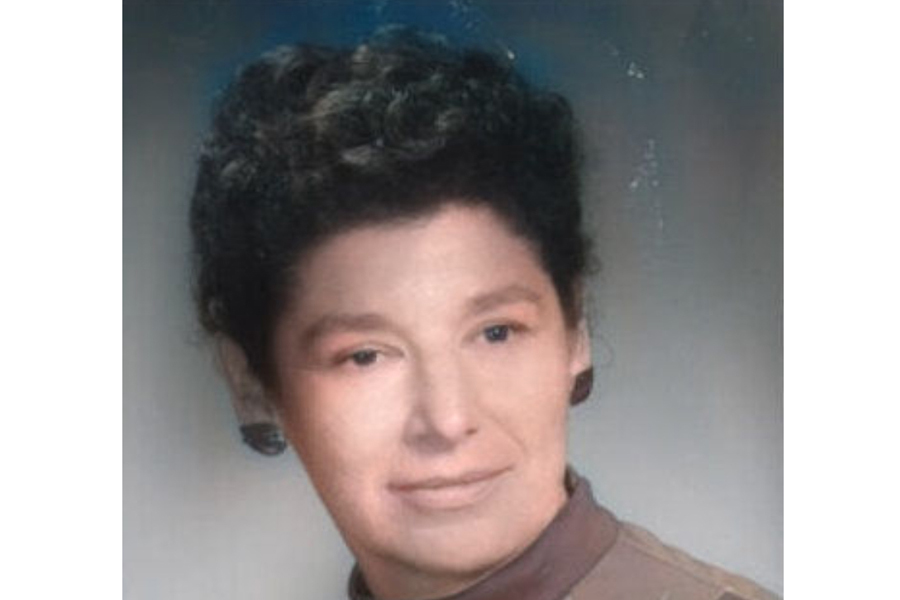
I write this as someone who has woven public memories into a quiet story. On October 24, 1970, Marilynn Levy married Rod Carew, entering the public eye. That date counts. A private life began to coexist with a public one. About 30 years were spent together. Family life moved through cities, ballparks, synagogues, hospitals, and back home over those years.
Identity and faith intersected in the marriage. Marilynn was Jewish. Rod’s background was different. Their relationship illustrated how two histories tried to merge. I imagine a tapestry with crooked threads. They twist, grasp, and fray.
Marriage to Rod Carew
For fans Rod Carew is a name in the record books. For the family he was a husband and a father. The marriage between Marilynn and Rod created a household under the glare of professional sport. Between the year 1970 and the end of the 1990s the couple navigated the peculiar pressures of fame. There were invitations and expectations. There were choices about where to live and where the children would pray.
They chose to raise their children within the Jewish community. Temple life, bat mitzvahs, family dinners. I find that detail vivid. It reveals a deliberate shaping of family identity. It reveals decisions that spoke louder than public statements.
Family members
Charryse
Charryse is the eldest sister. In reports and recollections she appears as someone who stepped into responsibility early. By the mid 1990s she was in college and helping shoulder the burden when the family faced crisis. Her role is that of an anchor sibling. I imagine her as steady hands in a house bent by worry.
Stephanie
Stephanie attended college while the family struggled. She is close to her sisters and participates in the 1995–1996 family crisis. Short notes from that time characterize her as a college student who became a caretaker instantly. Imagining the transition from college to hospital is heartbreaking. Family compression and expansion during emergencies are also discussed.
Michelle
Michelle Siarra Carew was born in 1977. She was the youngest of three daughters. In September 1995 she was diagnosed with leukemia. The dates matter. A diagnosis in 1995 led to a public search for a bone marrow match. On April 17, 1996 the family lost Michelle at age 18. Numbers keep the memory sharp. 1977. 1995. April 17, 1996. Those marks on a timeline are small, bright lanterns in a larger darkness.
Faith and community: Temple Beth Sholom
Temple life was the scaffolding for many family rituals. Bat mitzvahs were held in the community. The family attended services. The synagogue was not just a building. It was a place of belonging, a place of covenant and comfort in good times and in grief. When a family binds itself to a place of worship it creates a geography of the heart. I imagine the pews, the voices, the ritual objects. They sit there like small, permanent witnesses.
Remembrance at Angel Stadium
At times memory takes a public shape. A memorial at a baseball stadium can be a rare mixture of private sorrow and communal recognition. I picture a plaque or statue placed near where crowds gather to remember heroes of the game and the people who mattered to them. It is a reminder that private loss can be marked with public objects. Public memory and private grief meet there.
Career and public profile
Marilynn Levy remained private. Unlike her husband, she had no sports or business career transcripts. Her public life is family-focused. Her motherhood, marriage, and handling a baseball legend’s arrival are featured in news reports. That life isn’t inferior. An absolute must. Households are complicated. Family management requires persistent, unobtrusive work. I consider it accomplishment.
Finance and public absence
There is little public data that attaches net worth, business holdings, or public financial filings to Marilynn. That is a statement about privacy more than it is about means. People can live in the shadow of celebrity without having their own ledger in the public record. I will not invent figures. Instead I note the absence. Silence in the public record says something about boundaries they kept.
Extended timeline
| Date | Event |
|---|---|
| October 24, 1970 | Marriage of Marilynn Levy and Rod Carew |
| 1977 | Birth of Michelle Siarra Carew |
| September 1995 | Michelle diagnosed with leukemia |
| April 17, 1996 | Michelle passes away at age 18 |
| Circa 2000 | Divorce between Marilynn and Rod Carew |
| December 2001 | Rod Carew remarries |
These dates are the spine of the story. They act like fence posts. Between them are the long stretches that contain daily life.
FAQ
Who is Marilynn Levy
I describe Marilynn Levy as the first wife of Rod Carew and the mother of three daughters. She practiced Judaism and raised her children within that tradition. To me she is a figure whose public presence is modest and whose private life is layered with ordinary devotion and extraordinary sorrow.
What family members does she have
She and Rod were parents to three daughters: Charryse, Stephanie, and Michelle. Michelle was born in 1977 and died on April 17, 1996. The family also includes extended relatives and the wider community that gathers around a synagogue.
What happened to Michelle
Michelle was diagnosed with leukemia in September 1995. There was a public effort to find a bone marrow match. Despite treatment efforts she died on April 17, 1996 at age 18. The event shaped the family in ways that echoed through the years.
Did Marilynn have a public career
Public records do not show a prominent professional career for Marilynn. She is known primarily through family records and accounts. Her activities are recorded in stories about family life rather than corporate filings or public office.
How long were Marilynn and Rod married
They were married on October 24, 1970 and divorced around the year 2000. That span covers roughly 30 years.
Where did the family practice religion
The family participated in Jewish life and centered some family rituals at a local synagogue. Bat mitzvahs and community involvement were part of the children’s upbringing.
Are there memorials for Michelle
Yes. There are public remembrances tied to the places the family loved and to the stadiums that framed their public life. A memorial near a baseball venue stands as a marker of both the personal and the public nature of memory.